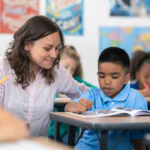
Protecting Children in Theater: Learning, Accountability, and Safer Spaces
Theater gives children a place to grow, explore, and express who they are. From finding their voice on stage to discovering a passion behind the scenes, young people can build confidence, friendships, and a meaningful sense of belonging.
Protecting children in theater helps preserve those opportunities and takes intentional action from adults.
In our latest Honest Conversation, Darkness to Light welcomed Rylee Coppel and Marybeth Clark of Charleston Stage and filmmaker, Norah Shapiro, for a discussion about protecting children in the theater. Together, we explored the joy these spaces offer and the responsibility adults and organizations share in making them safer.
One message stood out: creating safer environments requires us to keep learning, recognize where we may be wrong, and make changes when we see opportunities to better protect children.
Safety Requires a Willingness to Change
As our understanding of child protection grows, our practices must grow with it. A routine that has been in place for years still deserves thoughtful review. Familiarity alone does not tell us whether it adequately protects children.
For theater organizations, that means looking closely at everyday practices: how rehearsals are supervised, who has access to backstage spaces, how dressing rooms are used, and what happens when a child needs individual instruction or support.
It also means being willing to ask difficult questions. Are our policies clear? Do people follow them consistently? Are there situations we have overlooked? Have we made assumptions about safety because we know and care about the adults involved?
Admitting that something needs to change can feel uncomfortable. But acknowledging a gap gives us an opportunity to address it. Learning from mistakes and responding with meaningful action are essential parts of prevention.
Protecting Children in Theater Through Everyday Practices
Theater environments can move quickly. Rehearsals run late, costumes need adjustments, and performers move between classrooms, dressing rooms, and backstage spaces. Those transitions make clear expectations and consistent supervision especially important.
Reducing isolated, one-on-one situations is one practical place to start. Organizations can plan for interactions between adults and children to remain observable and interruptible, including during individual coaching, costume fittings, and conversations away from the group. Supervision should be planned before a busy rehearsal or performance creates an unexpected need.
Dressing rooms also deserve specific protocols that account for children of different ages, their privacy, and the people sharing or accessing those spaces. Clear expectations about changing areas, supervision, adult access, and costume assistance help everyone understand their responsibilities.
Healthy boundaries matter throughout the production process, too. Adults can explain physical interactions before they happen, respect children’s boundaries, and establish clear expectations for communication and conduct.
The goal is to make protective practices part of how the organization operates every day. Staff, volunteers, performers, and families should understand what those practices look like and whom to approach when they have a concern.
Accountability Makes Improvement Possible
A strong safety culture makes room for questions, feedback, and honest reflection.
Children and families need to know that concerns will be taken seriously. Staff and volunteers need support to speak up when a boundary is unclear or a policy is not being followed. Leaders need to respond with a willingness to listen, examine the concern, and act.
When someone identifies a gap, the response matters. Organizations can use that information to strengthen a policy, clarify an expectation, or change a practice. Following through shows that protecting children is a shared commitment.
There will always be opportunities to improve. Staying open to those opportunities helps organizations build environments where safety receives ongoing attention.
Learning From the Past
Our conversation also included Norah Shapiro, whose documentary Magic & Monsters examines the long-buried history of widespread sexual abuse at Children’s Theatre Company in Minneapolis.
Confronting that history underscores the importance of institutional accountability and listening when people speak up. It also invites adults and organizations to examine what they can do today to better protect the children in their care.
Following this Honest Conversation, for a limited time, we are offering a special screening of Magic & Monsters, where portion of screening proceeds will support Darkness to Light’s work to protect children and strengthen prevention.

The conversation continues with Magic & Monsters
We invite you to take a deeper look through our special virtual screening of Magic & Monsters. This powerful documentary examines the history of sexual abuse at Children’s Theatre Company in Minneapolis and the responsibility we share to make creative spaces safer for children.
Virtual screening tickets are available now until October 13. A portion of ticket sales directly supports Darkness to Light’s work to protect children and strengthen prevention.
Protecting the Joy of Theater
Children deserve to experience the creativity, connection, and excitement that theater can offer in environments that prioritize their safety. Protecting children in theater is an ongoing commitment, one strengthened every time adults listen, review their practices, and act on opportunities to improve.
Each improvement, from reducing isolated interactions to strengthening dressing room protocols, helps protect the experiences that make theater so meaningful.
We are grateful to Rylee Coppel, Marybeth Clark, and Norah Shapiro for joining this important conversation and encouraging continued reflection and action.
Creating safer spaces is ongoing work. When adults are willing to listen, learn, and change, we help ensure that children can keep growing, discovering, and enjoying childhood.
Watch the Conversation
If you missed this Honest Conversation, we invite you to watch the recording and explore the resources shared during the discussion.
Watch the webinar:
Continue Learning
Creating safer environments for children is an ongoing commitment.
Explore additional resources: